
Understanding the psychological triggers that drive gambling behaviors
Understanding the psychological triggers that drive gambling behaviors
The allure of risk and reward
The thrill of gambling often stems from the inherent allure of risk and reward. This excitement is rooted in the brain’s reward system, where the anticipation of winning triggers the release of dopamine. This neurotransmitter plays a crucial role in pleasure and motivation, making people feel good when they gamble, especially when they experience wins. As a result, players often chase this feeling, which can create a cycle of behavior that entraps them in gambling. When exploring options, many players turn to best crypto casinos no kyc to enhance their experience without the worry of verification.
Furthermore, the desire to win can lead to an overestimation of one’s chances. Many gamblers believe they have a “system” or “strategy” that will increase their odds. This cognitive bias, often referred to as the gambler’s fallacy, reinforces their engagement in gambling activities. People tend to remember their wins more vividly than their losses, which can distort their perception of luck and lead to repeated gambling despite negative outcomes.
In addition to this, the concept of “near misses” plays a significant role. Players may experience a close call where they almost win, fueling their hope and encouraging continued play. These near misses can create an illusion of control and increase a gambler’s likelihood of returning to the game, as they believe that a win is just around the corner, reinforcing their engagement in potentially harmful behavior.
The role of social influences
Social dynamics heavily influence gambling behavior, particularly within groups. The desire to fit in or impress peers can lead individuals to gamble more than they normally would. This social pressure can be particularly evident in environments like casinos, where the atmosphere is electric and camaraderie can amplify the urge to participate in risky behaviors. Being surrounded by others who are gambling can create an intoxicating environment that magnifies the appeal of the activity.
Moreover, social media plays a vital role in modern gambling behaviors. Online platforms often glamorize gambling, showcasing it as an exciting lifestyle choice. Influencers and friends sharing their successes can create a FOMO (fear of missing out) effect, enticing others to engage in similar behaviors. This online culture can make gambling seem more accessible and socially accepted, potentially leading to increased participation, especially among younger audiences.
The reinforcement from social circles can also lead to normalization of gambling. As friends and family engage in betting activities, individuals may feel validated in their choices. This communal aspect can obscure the risks associated with gambling and promote a mindset that equates gambling with fun and entertainment, rather than a potential addiction. Such normalization can make it difficult for individuals to recognize unhealthy patterns in their behavior.
Psychological manipulation within gaming environments
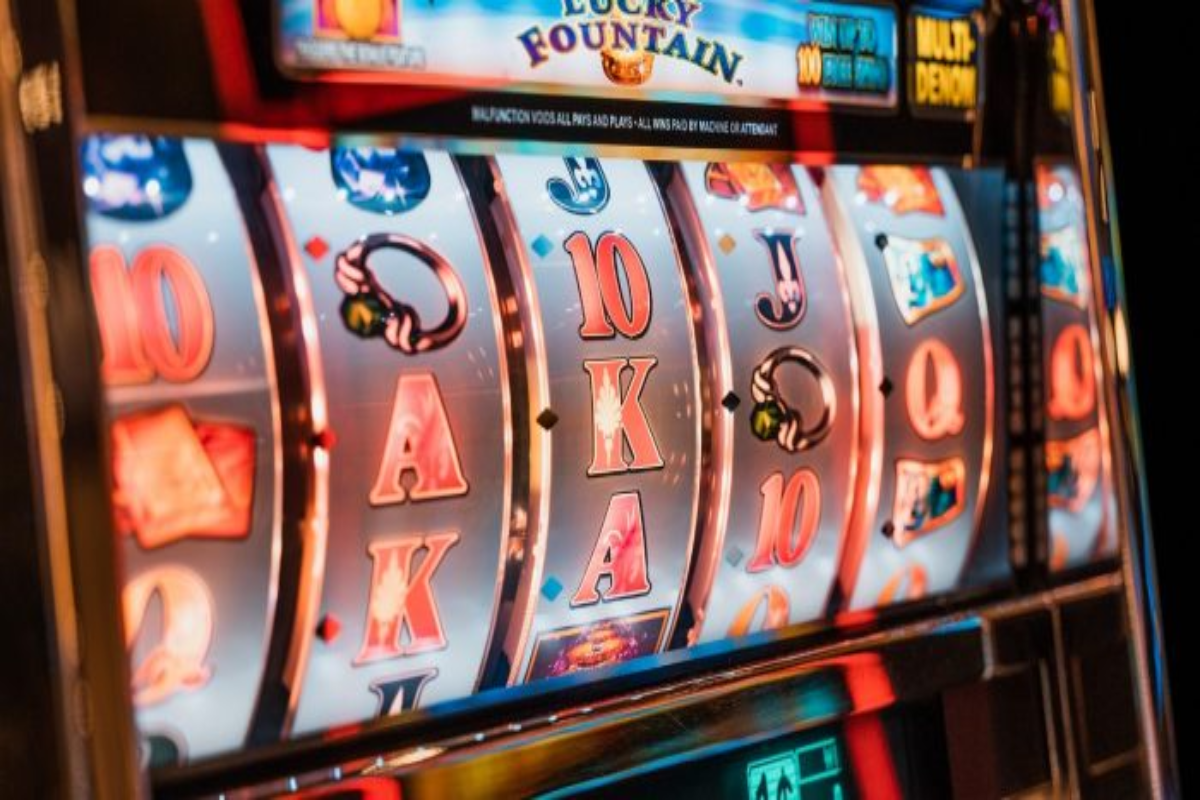
The design of gaming environments is strategically crafted to manipulate psychological triggers. For instance, casinos often utilize bright lights, sounds, and enticing visuals to create an immersive experience that captivates players. These sensory elements can induce excitement and a state of euphoria, making it harder for individuals to disengage from play. The longer a player stays, the more likely they are to lose track of time and money.
Additionally, the placement of games is carefully considered. High-stakes games are often placed near entrances to attract new players, while popular machines are clustered together to maintain traffic flow. This meticulous organization encourages prolonged engagement, as players are constantly drawn in by the visual and auditory stimuli surrounding them. It becomes easy to lose oneself in the environment, causing players to gamble beyond their initial intentions.
Further emphasizing this manipulation, many casinos implement “loyalty programs” that reward frequent players. These incentives can create an emotional attachment to the gambling experience, as individuals perceive rewards as validation for their gambling efforts. This tactic can lead players to rationalize continued gambling despite potential financial losses, reinforcing their commitment to the activity through psychological manipulation.
Understanding addictive behaviors
The transition from casual gambling to addiction often involves a complex interplay of psychological factors. Many individuals start gambling for fun, seeking an escape or a thrill. However, for some, this casual activity can evolve into compulsive behavior, characterized by an inability to control the impulse to gamble. This addiction is often fueled by emotional distress or escapism, leading individuals to gamble as a way to cope with life’s challenges.
Moreover, various psychological conditions can exacerbate gambling addiction. Anxiety, depression, and other mental health disorders may contribute to an increased reliance on gambling as a coping mechanism. The immediate thrill of a win can provide temporary relief from negative emotions, creating a dangerous cycle where gambling becomes a preferred method of managing stress. Understanding these underlying issues is critical in addressing gambling behaviors.
Intervention and treatment for gambling addiction often require a multifaceted approach. Cognitive-behavioral therapy (CBT) is widely recognized as an effective strategy to help individuals understand the triggers behind their behavior and develop healthier coping mechanisms. Support groups can also provide valuable community and understanding, aiding in recovery. Recognizing the psychological underpinnings of gambling behaviors can be crucial for fostering long-term change and healing.

Your gateway to responsible gaming
In a world increasingly shaped by digital experiences, platforms dedicated to responsible gaming are becoming essential. No KYC Crypto Casinos stands out as a premier destination, offering an extensive selection of games while prioritizing user privacy and responsible gaming practices. The platform allows users to explore a diverse range of gaming options, ensuring a safe and enjoyable environment for everyone involved.
Additionally, No KYC Crypto Casinos is committed to educating its users about responsible gaming practices. By promoting awareness of the psychological triggers behind gambling behaviors, the platform empowers players to make informed choices about their gaming habits. This commitment to transparency and user welfare sets it apart from traditional gaming environments, where responsibility is often overshadowed by profit motives.
Ultimately, understanding the psychological triggers that drive gambling behaviors can lead to healthier gaming experiences. With an emphasis on security, user empowerment, and responsible gaming, No KYC Crypto Casinos offers the perfect environment for players looking to enjoy gaming while maintaining control. Join today and explore a world where gaming meets responsibility, ensuring that fun never turns into an addiction.